Blogging for Commercial Photographers: 20 Topics That Drive Traffic
Let's be honest. You didn't get into commercial photography to sit at a desk writing blog posts. You got into it to light a product perfectly, direct a model, or capture the perfect architectural shot. But here's the hard truth: your portfolio alone won't pay the bills anymore. Clients search for photographers online, and they search with questions. If you're not answering those questions, you're invisible.
Content marketing for commercial photographers isn't just about filling space on your website. It's about proving you understand the business challenges your clients face. When a marketing manager searches "how to prepare for a product photoshoot," and your blog shows up, you've already won half the battle. You're not just a photographer — you're a solution.
In my experience, the photographers who blog consistently land higher-paying clients. They get inbound leads instead of chasing referrals. They build authority that justifies premium pricing. And the best part? You don't need to write a novel every week. You just need the right topics.
Below, I've compiled 20 blog topics specifically for commercial photographers. These aren't generic "tips for better photos" posts. These are topics that answer real client questions, rank well in search, and position you as the go-to commercial photographer in your area. Let's get started.
1. "What Does a Commercial Photographer Actually Do? A Client's Guide"
Many business owners don't understand the difference between a commercial photographer and someone with a nice camera. Write a clear, jargon-free explanation of what commercial photography involves — product shots, lifestyle imagery, architectural photography, and brand storytelling. Break down the process from pre-production to delivery.
This post targets informational search intent. People type "what is commercial photography" into Google when they're starting to research. If you capture them here, they'll remember you when they're ready to hire. Use the keyword phrase "commercial photographer services" naturally in the first paragraph. For a deeper understanding of the field, refer to this complete guide to commercial photography in 2026 for additional context you can cite.
2. "How Much Does a Commercial Photoshoot Cost? [2026 Pricing Guide]"
Pricing questions drive massive traffic. Businesses want to budget before they reach out. Write a transparent breakdown of what influences your pricing — usage rights, number of images, shoot duration, post-production, and travel. Provide ranges rather than exact numbers to encourage inquiries.
Include a table or bullet list showing sample packages. Use long-tail keywords like "commercial product photography pricing" and "cost of a brand photoshoot." This post also works well as a lead magnet if you offer a downloadable pricing checklist.
3. "How to Prepare for a Product Photography Shoot: A Step-by-Step Checklist"
Clients often show up unprepared. They bring dusty products, missing labels, or vague briefs. Write a guide that helps them prepare — cleaning products, gathering props, creating a shot list, and confirming usage rights. Frame it as a way to save time and money.
This post builds trust and reduces friction in your workflow. Optimize for "product photography checklist" and "how to prepare for a photoshoot." Include an actual downloadable PDF checklist to capture email subscribers.
4. "E-commerce Photography vs. Commercial Photography: What's the Difference?"
Many small business owners confuse e-commerce product shots with full commercial campaigns. Explain the differences in scope, usage, styling, and cost. E-commerce is about clarity and consistency; commercial photography is about storytelling and emotion.
Target keywords like "e-commerce photography vs commercial" and "commercial photography for brands." This helps you attract both budget-conscious e-commerce clients and higher-budget brand clients. Link internally to your portfolio pages for each service.
5. "10 Questions to Ask Before Hiring a Commercial Photographer"
Flip the script. Write a post from the client's perspective that helps them vet photographers. Include questions about experience, portfolio relevance, usage rights, insurance, turnaround time, and pricing transparency. Then subtly show how you excel in each area.
This post positions you as an educator, not a salesperson. It ranks for "questions to ask a commercial photographer" and "how to choose a product photographer." Add a note at the end: "If you'd like to discuss your project, I'm happy to answer these questions personally."
6. "Why Your Brand Needs Professional Commercial Photography (Not Stock Photos)"
Stock photos are cheap but generic. Write a persuasive argument for custom commercial photography. Discuss brand consistency, authenticity, legal safety, and the impact on conversion rates. Use real examples or case studies if you have them.
Target keywords like "why commercial photography matters" and "custom photography vs stock photos." Include stats if possible — for example, studies showing that original photography increases engagement. This post works well as a sales page addition.
7. "The Complete Guide to Commercial Photography Usage Rights"
Usage rights confuse both photographers and clients. Write a clear, plain-English explanation of licensing — limited use, exclusive rights, buyouts, and duration. Explain why usage rights affect pricing. Include examples of common scenarios.
This establishes you as an expert who protects both parties. It ranks for "commercial photography usage rights explained" and "photography license agreement." Add a disclaimer that you're not a lawyer, but this is standard industry practice.
8. "How to Style a Product for Commercial Photography: Tips from a Pro"
Styling is a skill clients often overlook. Share your approach to product styling — lighting direction, background choices, props, and composition. Include before-and-after examples if possible. Give actionable tips they can apply themselves.
Target "product styling tips" and "commercial product photography styling." This post appeals to marketing managers and small business owners who handle their own photos. It positions you as a knowledgeable resource they'll want to hire.
9. "Real Estate vs. Architectural Photography: What Real Estate Agents Need to Know"
If you shoot architecture or real estate, this post clarifies the difference. Real estate photography is about selling a property quickly. Architectural photography is about showcasing design and craftsmanship. Explain when each is appropriate and how pricing differs.
Use keywords like "architectural photography for real estate" and "commercial real estate photography." Link to your portfolio for both services. This post helps you attract higher-budget architectural clients while still serving real estate agents.
10. "How to Brief a Commercial Photographer: A Template for Marketing Teams"
Marketing teams often struggle to communicate their vision. Write a template they can use to brief you — project goals, target audience, brand guidelines, shot list, and usage requirements. Explain why a good brief saves money and delivers better results.
This post ranks for "photography brief template" and "how to brief a commercial photographer." Offer the template as a free download. It makes you look organized and professional before the client even books.
🚀 Want these blog posts written for you?
At The Photographers' Blogger, we write and publish SEO-optimized blog content directly to your photography website — so you can focus on shooting. Learn more →
11. "The Best Camera Settings for Commercial Product Photography"
While this post is technical, it attracts serious hobbyists and aspiring commercial photographers who might become future clients or assistants. Share your go-to settings for aperture, shutter speed, ISO, and white balance in controlled studio environments. Explain why you choose each setting.
Target keywords like "commercial photography camera settings" and "product photography aperture." Include a quick reference table. This post also positions you as a teacher, which builds authority.
12. "How to Choose the Right Background for Product Photography"
Background choice affects the mood and clarity of product images. Write about seamless paper, textured surfaces, lifestyle settings, and white backgrounds for e-commerce. Explain when to use each and how to match backgrounds with brand identity.
Optimize for "product photography background ideas" and "best backgrounds for commercial photography." Include photos from your own work showing different backgrounds. This is a visual post that naturally showcases your portfolio.
13. "What Businesses Need to Know About 2026 Commercial Photography Trends"
Businesses want to stay current. Write about emerging trends — AI-assisted editing, sustainable photography practices, behind-the-scenes content, and authentic diversity in imagery. Explain how these trends affect their marketing strategy.
Use the anchor text "2026 commercial photography trends" and link to this industry article on commercial photography trends for additional credibility. This post gets shared on social media and keeps your blog timely.
14. "How to Become a Commercial Photographer: A Realistic Guide for 2026"
Aspiring photographers search for this constantly. Write an honest guide covering education, equipment, portfolio building, networking, and pricing. Share your own journey and lessons learned. This post builds your reputation as an industry leader.
Target "how to become a commercial photographer" and "commercial photography career guide." For a deeper dive into the career path, reference this guide on getting into commercial photography. Include a note that while the field is competitive, specialization pays off.
15. "Commercial Photography for E-Commerce: Why Amazon Sellers Need Professional Photos"
Amazon sellers are a huge market. Explain how professional product photos improve click-through rates, conversions, and A+ Content performance. Discuss Amazon's image requirements and how you can help sellers meet them.
Use keywords like "commercial photography for Amazon sellers" and "e-commerce product photography." This post opens up a new client segment. Include a case study or example of a product that performed better after a professional shoot.
16. "How to Build a Commercial Photography Portfolio That Wins Clients"
Your portfolio is your most important marketing tool. Write a guide on selecting images, organizing by industry, showing process shots, and including client logos. Explain what clients look for and how to avoid common portfolio mistakes.
Target "commercial photography portfolio tips" and "how to build a photography portfolio." Link to your own portfolio as an example. This post helps both aspiring photographers and potential clients understand your quality standards.
17. "The Role of Lighting in Commercial Photography: Natural vs. Studio"

Lighting makes or breaks commercial images. Write about the differences between natural light and studio strobes for different types of commercial work — products, food, portraits, architecture. Share specific setups you use.
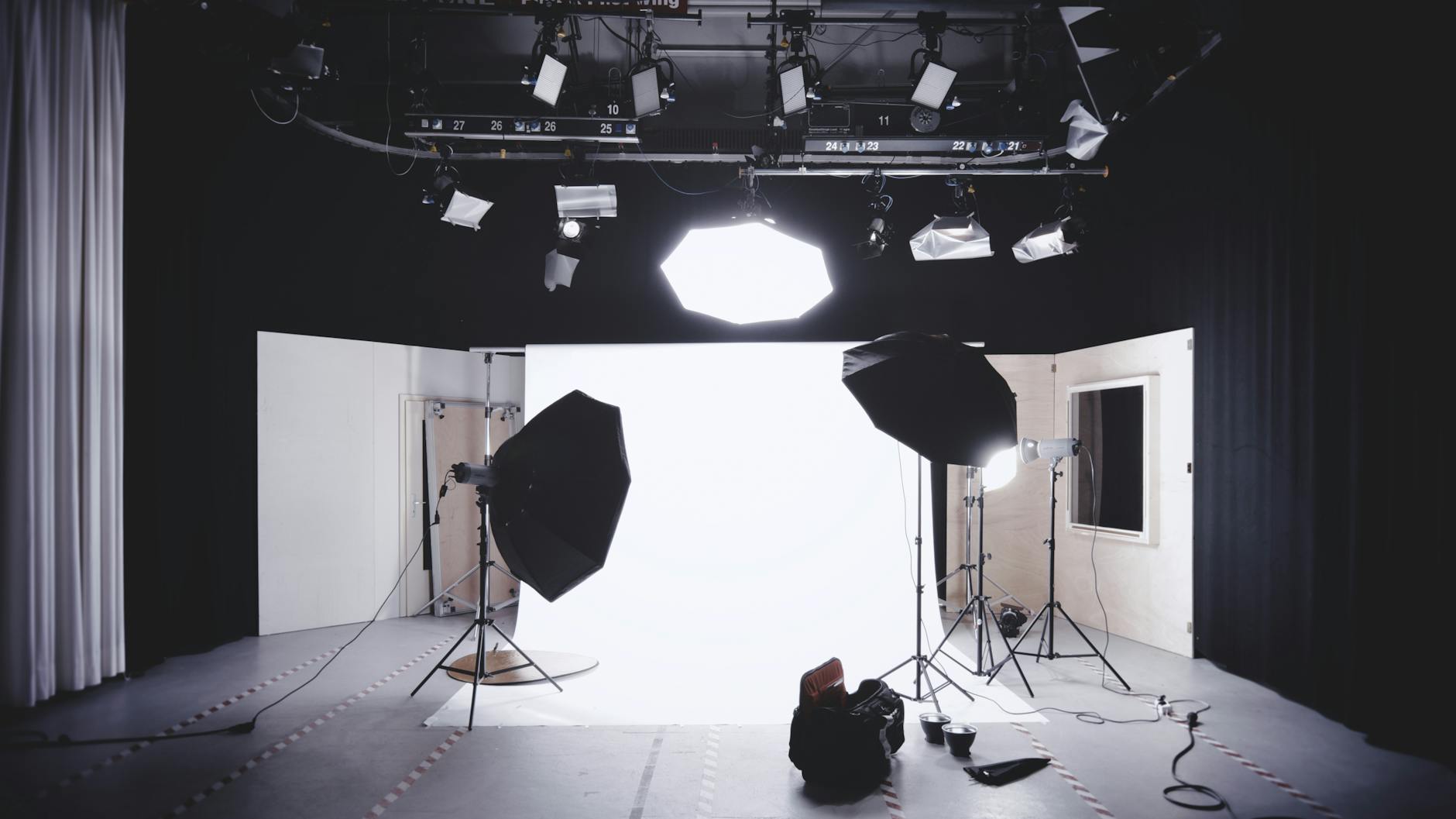
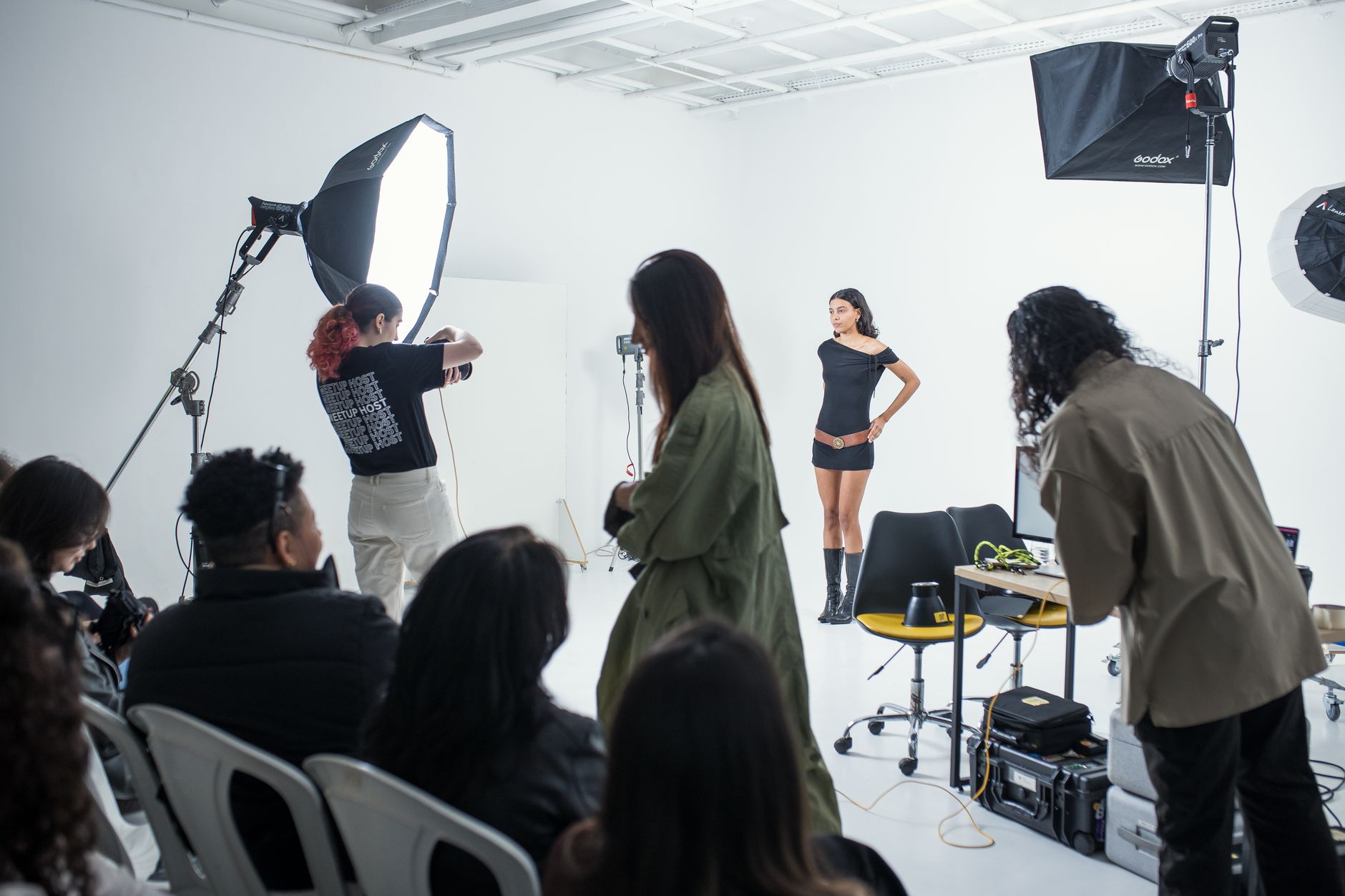
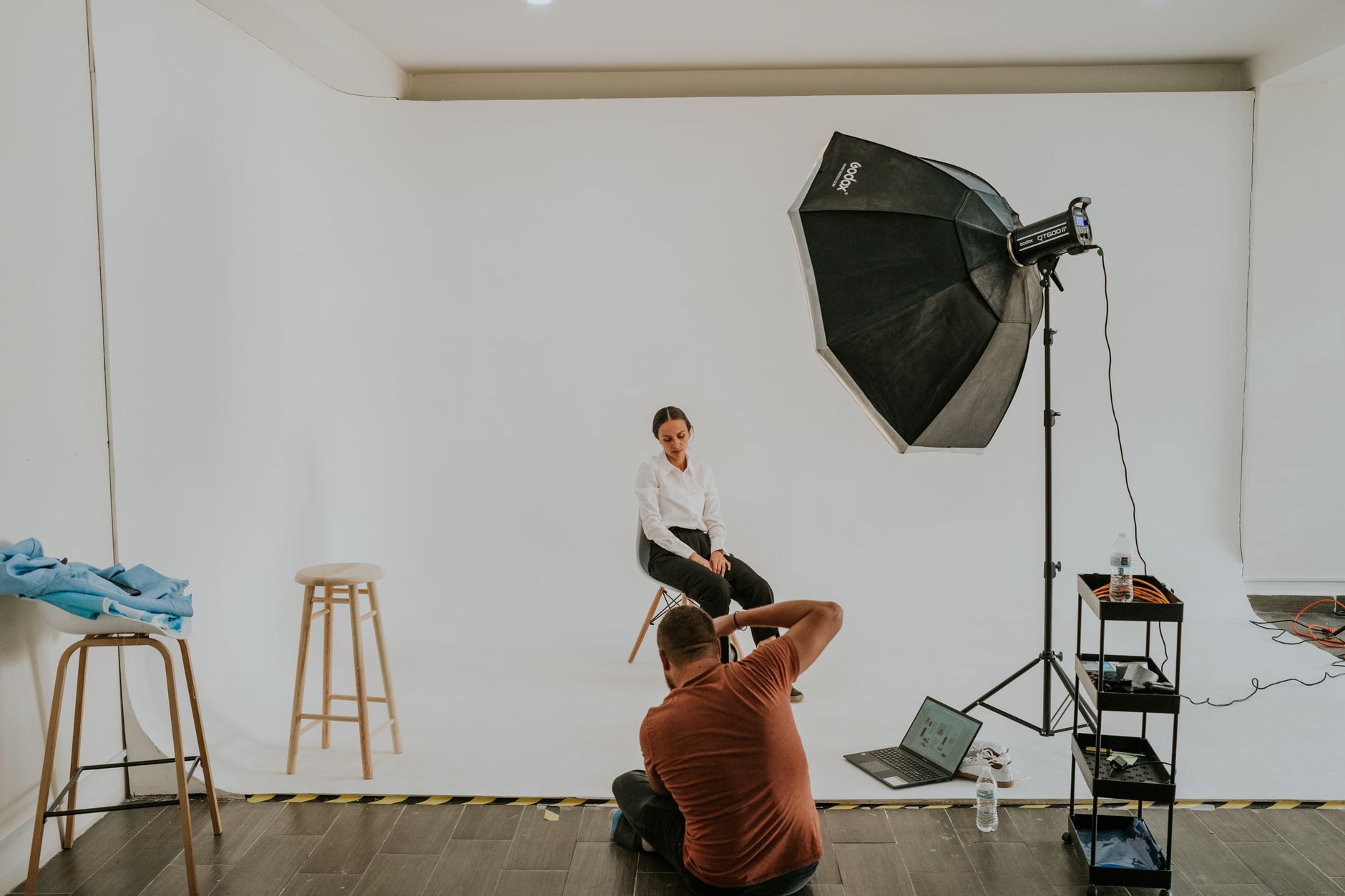
Optimize for "commercial photography lighting" and "studio lighting for product photography." Include diagrams or behind-the-scenes photos of your lighting setups. This technical post appeals to both clients and fellow photographers.
18. "How to Market Your Commercial Photography Business Online"
This meta-topic shows you understand business. Write about SEO, social media, networking, email marketing, and referral strategies specifically for commercial photographers. Share what's worked for you and what hasn't.
Target "marketing commercial photography business" and "photography business tips." This post attracts other photographers but also shows potential clients that you're a savvy business owner. Include actionable steps they can implement.
19. "Commercial Photography Contracts: What Every Photographer and Client Should Include"
Contracts protect everyone. Write about key clauses — scope of work, payment terms, cancellation policy, usage rights, indemnification, and kill fees. Explain why each clause matters in plain language.
Use keywords like "commercial photography contract template" and "photography agreement essentials." Offer a template or checklist as a download. This post builds trust and reduces legal headaches for everyone.
20. "Why Consistency Matters in Commercial Photography Branding"
Brands need visual consistency across all touchpoints. Write about color grading, lighting style, composition, and how you maintain a cohesive look for a client's entire campaign. Show examples of consistent vs. inconsistent imagery.
Target "brand consistency in photography" and "commercial photography branding." This post appeals to marketing directors and brand managers. It positions you as a strategic partner, not just a vendor.
Conclusion: Consistency Beats Perfection
You don't need to write all 20 posts this week. Pick the three topics that resonate most with your ideal clients and start there. Write one post per week for the next three months, and you'll have a library of content that works for you 24/7.
In my experience, the commercial photographers who blog consistently see a measurable increase in inbound inquiries within three to six months. Search engines reward fresh, relevant content. Clients reward photographers who demonstrate expertise. Blogging is the bridge between your portfolio and your next booking.
Start with one topic today. Write it, publish it, and share it on LinkedIn or Instagram. Then do it again next week. Your future self — and your bank account — will thank you.
Ready to Automate Your Photography Blog?
Join hundreds of photographers who trust The Photographers' Blogger to keep their blog fresh, SEO-optimized, and publishing on autopilot.
See Plans & PricingFrequently Asked Questions
How often should a commercial photographer blog?
Consistency matters more than frequency. I recommend publishing one high-quality post per week. If that's too much, aim for two posts per month. The key is to keep a regular schedule so search engines and subscribers know when to expect new content.
Should I write for other photographers or potential clients?
Write primarily for potential clients. Answer their questions, solve their problems, and demonstrate your expertise. Posts aimed at other photographers can build your reputation, but they rarely generate direct bookings. Focus 80% of your content on client-facing topics.
How long should my commercial photography blog posts be?
Aim for 1,000 to 1,500 words per post. This length is long enough to cover a topic thoroughly and rank well in search, but short enough to hold a busy professional's attention. Break up text with headings, bullet points, and images for readability.
Do I need to include images in every blog post?
Yes, absolutely. You're a commercial photographer — your blog should showcase your work. Include at least two to three relevant images per post. Add descriptive alt text with keywords to improve SEO. This also gives potential clients a taste of your style before they contact you.